Featured
Intermediate

AP102: Anatomy and Physiology Part Two

- 10 Sections
- 10 Lessons
- 1 Quiz
- 14 Assignments
Day Eleven: Tuesday, September 16, 2025
1 Lesson2 Assignments
Day Twelve: Wednesday, September 17, 2025
1 Lesson2 Assignments
Day Thirteen: Thursday, September 18, 2025
1 Lesson2 Assignments
Day Fourteen: Monday, September 22, 2025
1 Lesson2 Assignments
Day Fifteen: Tuesday, September 23, 2025
1 Lesson2 Assignments
Day Sixteen: Wednesday, September 24, 2025
1 Lesson2 Assignments
Day Seventeen: Thursday, September 25, 2025
1 Lesson
Day Eighteen: Monday, September 29, 2025
1 Lesson1 Assignment
Day Nineteen: Tuesday, September 30, 2025
1 Lesson1 Assignment
Day Twentieth: Wednesday, October 01, 2025
1 Lesson1 Quiz
Anatomy and Physiology for Massage Therapy
Course Description:
This comprehensive course provides an in-depth exploration of human anatomy and physiology, tailored specifically for massage therapy students. The curriculum covers the structure and function of key body systems, emphasizing their relevance to massage therapy practice. Students will gain a thorough understanding of the following systems:
- Reproductive System: Study the anatomy and physiology of the male and female reproductive systems, including hormonal regulation and reproductive health, to understand how massage can support overall wellness.
- Digestive System: Learn about the digestive tract and accessory organs, focusing on how digestion, absorption, and metabolism impact the body and how massage can aid in digestive health.
- Respiratory System: Explore the mechanics of breathing, gas exchange, and respiratory health, and discover techniques to enhance respiratory function through massage.
- Cardiovascular System: Examine the heart, blood vessels, and blood, understanding circulation and how massage can improve cardiovascular health and reduce stress.
- Urinary System: Understand the kidneys, ureters, bladder, and urethra, focusing on fluid balance, waste elimination, and how massage can support urinary health.
- Lymphatic System: Study the lymphatic vessels, lymph nodes, and lymph, learning how massage can stimulate lymphatic flow and support the immune system.
Learning Outcomes:
By the end of this course, students will be able to:
- Identify and describe the major structures and functions of each body system.
- Explain the interrelationships between these systems and their significance to overall health.
- Apply anatomical and physiological knowledge to enhance massage therapy techniques.
- Recognize common disorders and conditions related to each system and understand how massage can be beneficial.
This course combines theoretical knowledge with practical application, preparing students to integrate anatomical and physiological principles into their massage therapy practice effectively.
Want to submit a review? Login
Related Courses

MIOM Handbook

Welcome to the Moua Institute of Massage Online Handbook! This comprehensive guide is designed to provide you with all the information you need to succeed in your journey towards becoming a skilled massage therapist. As an…
24
25

SPA101: Spa Treatments
Welcome to the Spa Treatments for Massage Therapy course at the Moua Institute of Massage. This course is designed to provide a comprehensive understanding of various spa treatments and how they can be incorporated into…
9
5
SHI101: Shiatsu
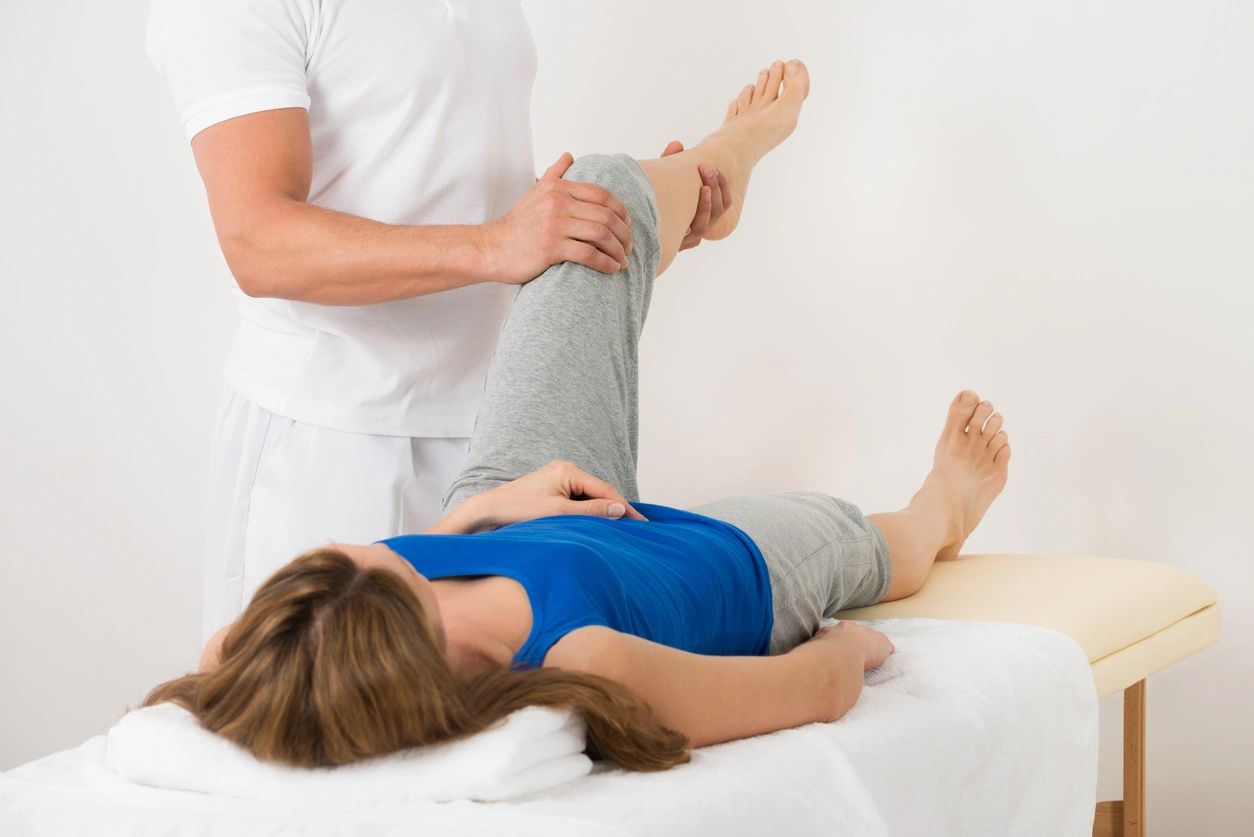
Welcome to the Shiatsu Massage Therapy course at the Moua Institute of Massage. This course is designed to provide a comprehensive understanding of Shiatsu, a form of therapeutic bodywork from Japan that uses kneading, pressing,…
8
16